

 ENG
ENG 中文简体
中文简体 русский
 Français
 Español
 日本語
日本語 عربى
عربىContent
- 1 Understanding Roller Conveyors and Their Role in Material Handling
- 2 Types of Roller Conveyors and Their Applications
- 3 Design Considerations for Efficient Roller Conveyor Systems
- 4 Maintenance Tips to Extend Conveyor Life
- 5 Safety Measures in Roller Conveyor Operations
- 6 Cost Considerations and ROI for Roller Conveyor Systems
- 7 Comparing Gravity and Powered Roller Conveyors
- 8 Conclusion
Understanding Roller Conveyors and Their Role in Material Handling
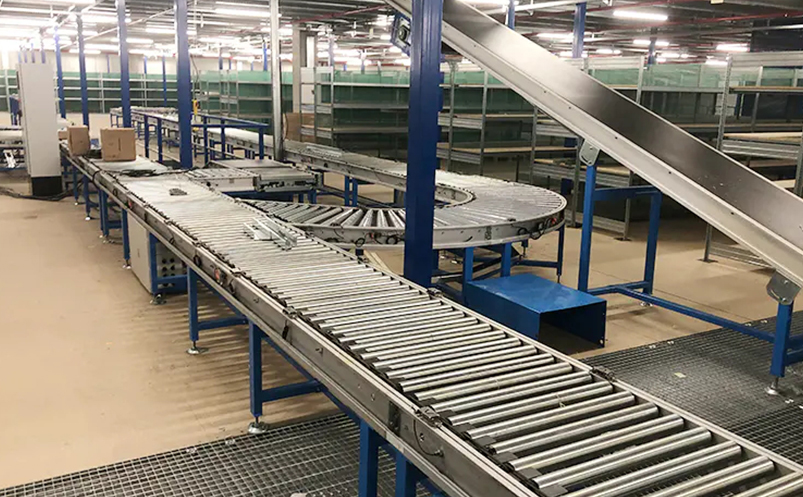
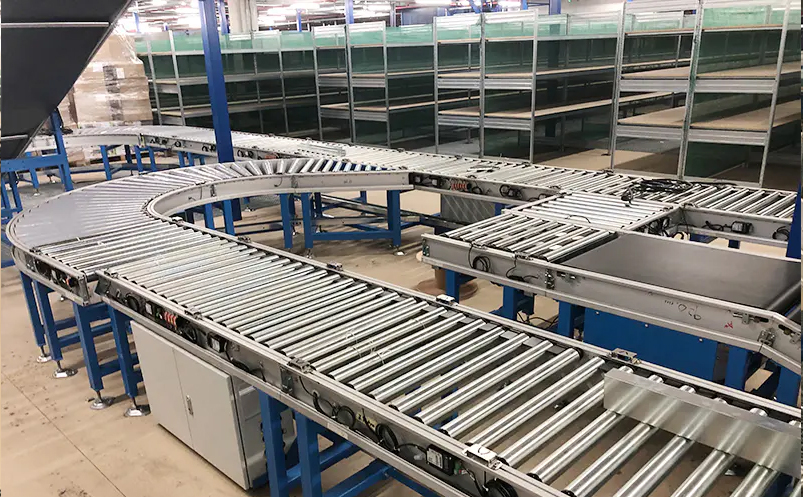
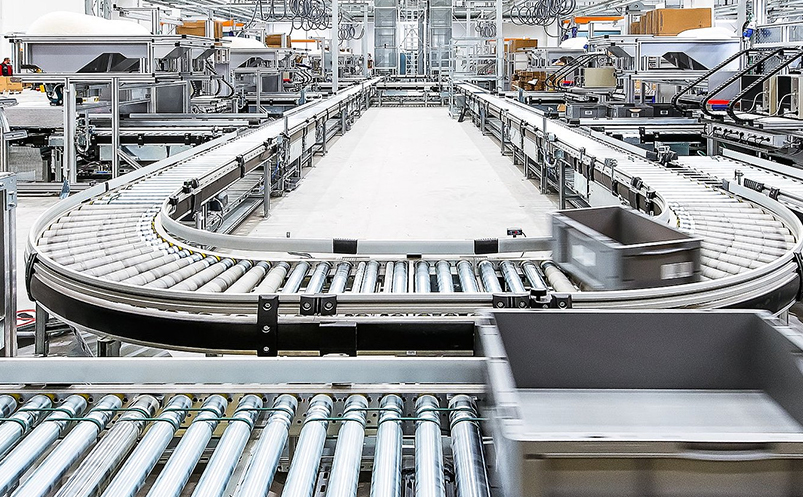
Roller conveyors are a vital component of modern material handling systems, designed to efficiently transport goods in warehouses, factories, and distribution centers. These systems rely on a series of cylindrical rollers mounted on a frame to move items of varying sizes and weights. By reducing manual labor, roller conveyors streamline operations and improve workplace safety.
Businesses across logistics, automotive, food processing, and manufacturing industries increasingly adopt roller conveyor systems due to their versatility and adaptability. They are particularly effective for transporting boxes, pallets, and other packaged goods over short to medium distances.
Types of Roller Conveyors and Their Applications
Choosing the right type of roller conveyor is crucial for optimizing material flow. The most common types include:
- Gravity Roller Conveyors – Utilize the force of gravity to move items along a slightly inclined surface, requiring no motorized components. Ideal for temporary storage and loading zones.
- Powered Roller Conveyors – Equipped with motors to drive rollers, these conveyors handle heavier loads and maintain a consistent flow of materials, suitable for assembly lines and high-volume packaging operations.
- Accumulation Conveyors – Designed to stop items at designated points without causing damage, enabling better control in sorting or packaging areas.
- Flexible Roller Conveyors – Made with modular segments, these conveyors can be bent or extended to accommodate changing layouts, commonly used in shipping areas and seasonal operations.
Design Considerations for Efficient Roller Conveyor Systems
Proper design is critical to maximize the performance and longevity of roller conveyors. Key factors include:
Load Capacity and Roller Selection
The rollers must be chosen based on the weight and type of materials being transported. Heavier loads require steel rollers, while lighter items may be transported on plastic or aluminum rollers. Additionally, the roller diameter and spacing impact the stability and smoothness of movement.
Speed and Flow Control
For powered roller conveyors, motor speed should match the operational requirements to prevent bottlenecks. Incorporating sensors and automated control systems helps maintain a consistent flow of goods, reducing idle time and congestion.
Integration with Other Material Handling Systems
Roller conveyors are often part of a larger material handling ecosystem, including automated guided vehicles (AGVs), sorting systems, and palletizers. Ensuring seamless integration minimizes transfer delays and optimizes overall workflow.
Maintenance Tips to Extend Conveyor Life
Regular maintenance is essential to prevent unexpected downtime and costly repairs. Some practical maintenance strategies include:
- Routine inspection of rollers and bearings for wear or misalignment.
- Lubricating moving parts to reduce friction and prevent damage.
- Checking belt tension and motor functionality in powered systems.
- Cleaning debris from the conveyor bed to avoid jams and product damage.
- Replacing worn-out or damaged rollers promptly to maintain smooth operations.
Safety Measures in Roller Conveyor Operations
Safety should be a top priority in any material handling setup. Implementing proper safety measures reduces accidents and enhances worker confidence. Key practices include:
- Installing emergency stop buttons at accessible points along the conveyor.
- Using guards or covers to prevent accidental contact with moving rollers.
- Training staff on safe loading and unloading procedures.
- Marking areas around the conveyor for restricted access and caution.
- Regularly reviewing safety protocols and updating equipment where necessary.
Cost Considerations and ROI for Roller Conveyor Systems
Investing in roller conveyors can significantly improve efficiency, but understanding the total cost of ownership is essential. Factors to consider include:
- Initial purchase and installation costs, including motorized components.
- Maintenance expenses, such as spare parts and labor.
- Energy consumption for powered conveyors.
- Operational efficiency gains, including reduced labor costs and faster throughput.
A well-designed conveyor system often pays for itself within a few years through improved productivity and minimized material handling errors.
Comparing Gravity and Powered Roller Conveyors
Understanding the differences between gravity and powered roller conveyors helps in selecting the right solution for specific applications. The following table summarizes key distinctions:
| Feature | Gravity Roller Conveyor | Powered Roller Conveyor |
| Operation | Relies on gravity; no motor required | Motor-driven rollers for consistent movement |
| Load Capacity | Light to moderate loads | Heavy loads and high-volume throughput |
| Installation Cost | Lower upfront cost | Higher upfront cost |
| Maintenance | Minimal maintenance | Requires regular motor and roller checks |
Conclusion
Roller conveyors are indispensable tools for improving productivity in warehouses, factories, and distribution centers. By understanding their types, design considerations, maintenance needs, and safety requirements, businesses can optimize material handling operations effectively. Investing in the right roller conveyor system not only enhances efficiency but also ensures long-term cost savings and safer work environments.