

 ENG
ENG 中文简体
中文简体 русский
 Français
 Español
 日本語
日本語 عربى
عربىContent
- 1 Understanding Systems Combined with Belt Conveyor
- 2 Common Equipment Combined with Belt Conveyor Systems
- 3 Design Considerations When Combining Equipment with Belt Conveyors
- 4 Automation and Control Integration
- 5 Maintenance Planning for Combined Conveyor Systems
- 6 Energy Efficiency and Cost Control
- 7 Typical Industry Applications
- 8 Best Practices for Successful Conveyor Integration
- 9 Long-Term Value of Combined Belt Conveyor Solutions
Understanding Systems Combined with Belt Conveyor
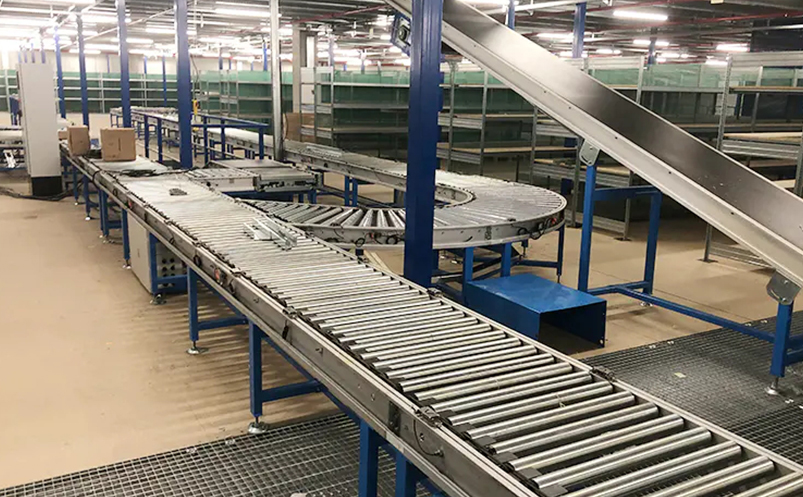
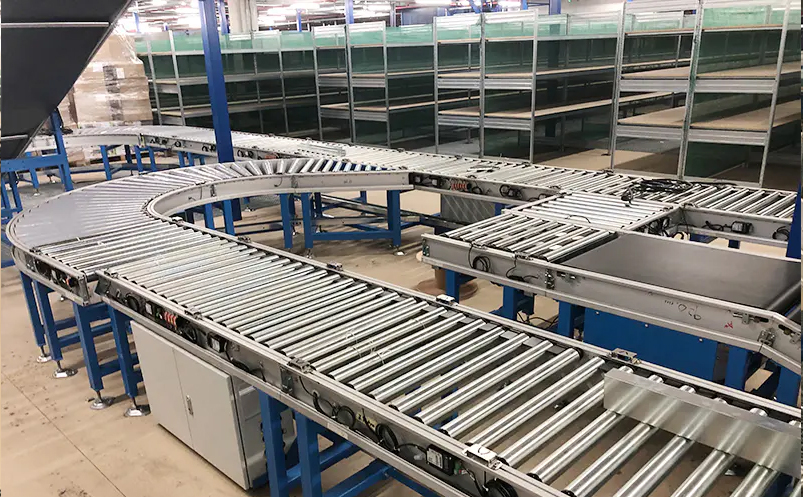
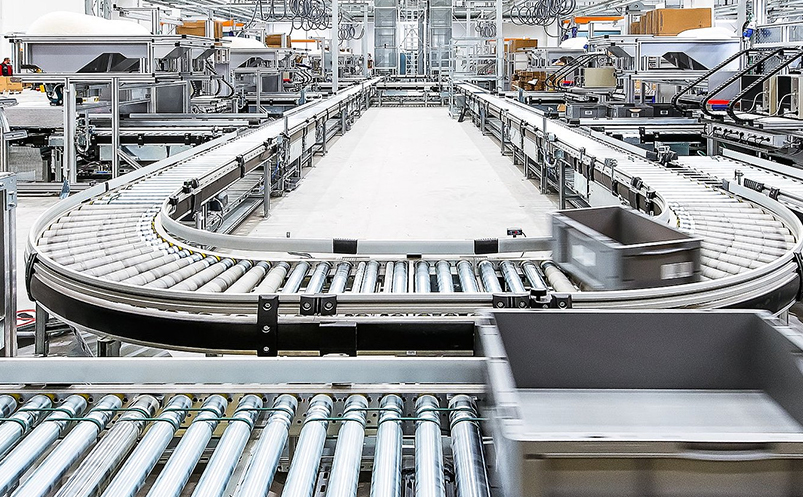
A belt conveyor is rarely used as a standalone machine in modern industrial environments. In practice, it is combined with feeders, crushers, sorters, robots, sensors, and control systems to form a complete material handling solution. When equipment is combined with a belt conveyor, the goal is to create a continuous, controlled flow of materials that minimizes manual handling, reduces downtime, and improves overall production efficiency. This approach is common in mining, manufacturing, warehousing, agriculture, and logistics, where consistent movement of goods is essential.
The integration of belt conveyor systems with upstream and downstream equipment requires careful planning. Load characteristics, speed synchronization, transfer points, and maintenance access must all be considered. A well-designed combined conveyor setup supports long-term reliability while keeping operating costs under control.
Common Equipment Combined with Belt Conveyor Systems
Belt conveyors often act as the backbone of an industrial conveyor network. They are combined with various machines depending on the application and material type. Each combination serves a specific operational purpose and improves workflow efficiency.
- Feeders and hoppers regulate material flow onto the conveyor belt, preventing overload and ensuring stable operation.
- Crushers and shredders are combined with belt conveyors to transport raw material for size reduction and then carry processed material to the next stage.
- Sorting and screening equipment separates materials by size, weight, or type while the conveyor provides continuous movement.
- Robotic pick-and-place systems rely on belt conveyors to position items accurately for automated handling.
- Packaging and palletizing machines use conveyors to feed products in a controlled sequence.
Design Considerations When Combining Equipment with Belt Conveyors
Successful conveyor integration depends on detailed engineering decisions. Ignoring these considerations can lead to excessive wear, material spillage, or frequent system stoppages. Designers must evaluate both mechanical and operational factors before finalizing a layout.
Material Characteristics
Material size, weight, abrasiveness, moisture content, and temperature influence belt selection and drive capacity. When combined with crushers or feeders, the conveyor belt must be strong enough to handle impact loads and sharp edges. In bulk material handling, incorrect belt specifications can significantly reduce service life.
Speed and Capacity Matching
All equipment combined with a belt conveyor must operate at compatible speeds. If a feeder supplies material faster than the conveyor can transport it, spillage and belt mistracking may occur. Conversely, an undersupplied belt reduces throughput and wastes energy. Speed control using variable frequency drives is often applied to maintain balance.
Transfer Point Design
Transfer points are critical areas where material moves from one machine to another. Proper chute design, skirting, and sealing reduce dust generation and material loss. When belt conveyors are combined with screens or secondary conveyors, smooth transfers improve system cleanliness and reduce maintenance.
Automation and Control Integration
Modern belt conveyor systems are commonly combined with automation technologies to improve safety and productivity. Sensors, controllers, and monitoring software provide real-time feedback and allow operators to respond quickly to abnormal conditions.
Typical automation elements include belt speed sensors, load cells, metal detectors, and emergency stop systems. When integrated into a centralized control platform, these components help optimize material handling processes and reduce unplanned downtime. Automated conveyor systems are particularly valuable in high-volume logistics and manufacturing facilities.
Maintenance Planning for Combined Conveyor Systems
Combining multiple machines with a belt conveyor increases system complexity, making maintenance planning essential. Maintenance access points should be included in the initial design to allow safe inspection and repair without dismantling major components.
- Install easy-access walkways and platforms near critical conveyor components.
- Use standardized spare parts across conveyor and auxiliary equipment to simplify inventory.
- Schedule preventive maintenance based on operating hours and material type.
Energy Efficiency and Cost Control
When equipment is combined with belt conveyors, energy consumption can increase if the system is not optimized. Selecting efficient motors, reducing unnecessary friction, and implementing intelligent control strategies can significantly lower operating costs.
Regenerative drives, low-resistance idlers, and proper belt tensioning contribute to energy savings. In large industrial conveyor installations, even small efficiency improvements can result in substantial long-term cost reductions.
Typical Industry Applications
Belt conveyors combined with specialized equipment are used across many industries. Each sector applies conveyor integration in ways that support its unique production requirements.
| Industry | Combined Equipment | Primary Benefit |
| Mining | Crushers, screens, stackers | High-capacity bulk material handling |
| Manufacturing | Robots, assembly stations | Improved production flow |
| Logistics | Sorters, scanners | Fast and accurate order handling |
Best Practices for Successful Conveyor Integration
To achieve reliable performance, companies should follow proven best practices when combining equipment with belt conveyors. Early collaboration between equipment suppliers, engineers, and operators reduces the risk of costly modifications later.
- Conduct a detailed material flow analysis before system design.
- Test conveyor and equipment compatibility under real operating conditions.
- Document operating procedures and provide training for maintenance staff.
Long-Term Value of Combined Belt Conveyor Solutions
Investing in systems combined with belt conveyors delivers long-term value through improved productivity, reduced labor costs, and enhanced safety. When designed and maintained correctly, integrated conveyor systems can operate continuously for years with minimal disruption.
By focusing on practical design, proper equipment matching, and ongoing optimization, businesses can ensure that their belt conveyor systems remain a reliable foundation for efficient material handling operations.