

 ENG
ENG 中文简体
中文简体 русский
 Français
 Español
 日本語
日本語 عربى
عربىContent
Wheel conveyors are an essential component in warehouses, distribution centers, and manufacturing facilities. They facilitate the smooth movement of products, helping to streamline operations and improve productivity. However, like any mechanical system, wheel conveyors can experience malfunctions that disrupt workflow. Troubleshooting these systems efficiently is crucial to minimize downtime and ensure safe operation. This guide provides practical steps and tips for identifying and resolving common issues with wheel conveyor systems.
Understanding Wheel Conveyor Systems
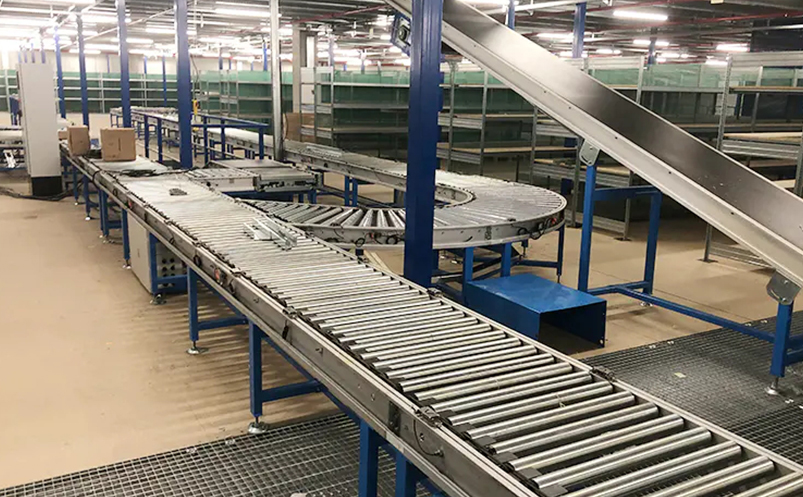
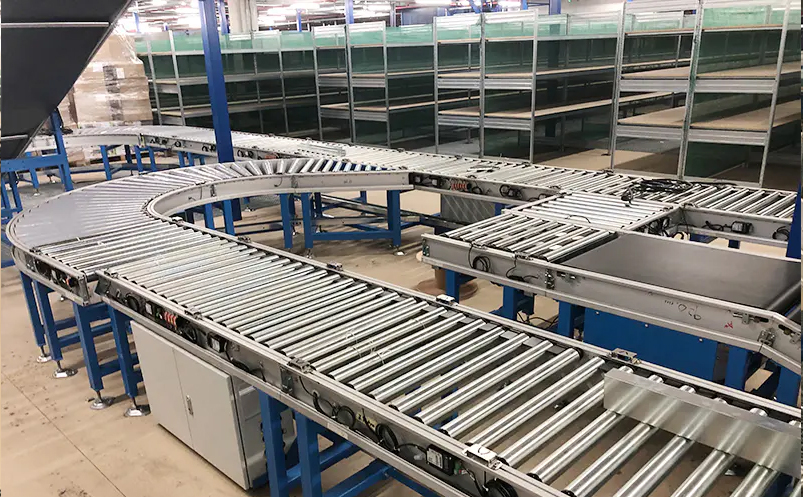
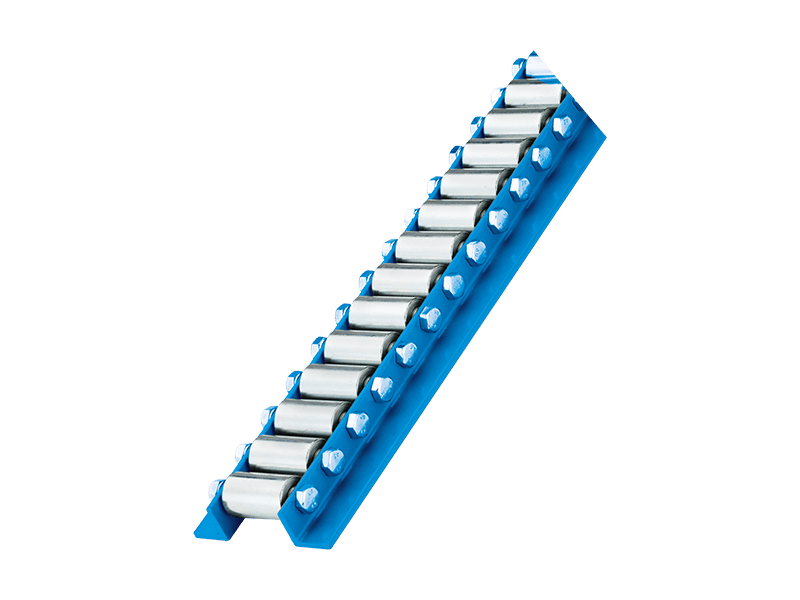
Before diving into troubleshooting, it is important to understand how wheel conveyors operate. Wheel conveyors typically consist of a series of parallel wheels mounted in a frame. Products are moved manually or with assistance from gravity or motorized mechanisms. Unlike roller conveyors, wheel conveyors have wider gaps between wheels, which can make them more suitable for handling certain types of products, such as boxes or pallets, without causing damage.
Common components of a wheel conveyor system include:
- Wheels: The rolling surfaces that support the products.
- Frames: The structural support holding the wheels in place.
- Drive mechanism: For motorized wheel conveyors, this includes motors, belts, chains, or gear systems.
- Brakes and supports: These maintain stability and prevent unwanted movement.
Understanding the layout and function of these components will make troubleshooting more effective.
Common Wheel Conveyor Problems
Several issues can arise with wheel conveyor systems. Identifying the problem is the first step toward resolution. Common problems include:
- Product jams or misalignment: Boxes or items may get stuck due to uneven loading or improper wheel spacing.
- Wheel wear or damage: Wheels can become worn down, cracked, or deformed over time.
- Motor or drive system failure: In motorized conveyors, the motor, chain, or belt may fail, causing the wheels to stop moving.
- Frame misalignment or instability: The supporting frame may shift or warp, preventing smooth operation.
- Noise or vibration: Excessive noise can indicate mechanical wear, loose components, or unbalanced wheels.
- Speed irregularities: Motorized wheel conveyors may experience inconsistent speed due to power fluctuations or mechanical issues.
By recognizing these common problems, operators can begin troubleshooting more systematically.
Safety Precautions Before Troubleshooting
Before performing any troubleshooting or maintenance, safety should be the top priority. Always follow these steps:
- Shut down the conveyor system: Disconnect the power source for motorized conveyors.
- Use personal protective equipment (PPE): Gloves, safety glasses, and protective footwear are recommended.
- Secure moving parts: Ensure wheels and other components cannot move unexpectedly.
- Follow manufacturer guidelines: Refer to the user manual for specific safety procedures and recommended tools.
Taking these precautions minimizes the risk of injury during troubleshooting.
Step-by-Step Troubleshooting Guide
1. Inspect the Conveyor for Visible Issues
Begin by visually inspecting the wheel conveyor system. Look for obvious signs of damage, such as:
- Broken or worn wheels
- Loose or missing fasteners
- Bent frames or supports
- Objects lodged between wheels
Remove any obstructions and replace or repair damaged components. A thorough visual inspection often resolves minor issues without further intervention.
2. Check Wheel Alignment and Rotation
Misaligned or stuck wheels can prevent smooth operation. To troubleshoot:
- Rotate each wheel manually to ensure it moves freely.
- Check for debris or buildup that may hinder rotation.
- Confirm that wheels are evenly spaced and securely mounted.
Proper alignment reduces friction and prevents product jams.
3. Examine the Drive Mechanism
For motorized wheel conveyors, the drive system is a common source of problems. Steps include:
- Check the motor for unusual noises or overheating.
- Inspect belts, chains, and gears for wear or breakage.
- Ensure tension in belts and chains is correct according to manufacturer specifications.
- Verify that electrical connections are secure and power is supplied.
Replacing worn belts or repairing loose chains often restores functionality.
4. Test Load Capacity and Distribution
Overloading the conveyor or unevenly distributing products can lead to malfunctions. To address this:
- Review the maximum load capacity of the wheel conveyor.
- Distribute items evenly across the width of the conveyor.
- Avoid stacking items in a way that causes excessive pressure on individual wheels.
Maintaining proper load limits prevents unnecessary wear and operational issues.
5. Inspect Frame and Supports
The structural integrity of the conveyor frame is crucial. Steps to check:
- Ensure the frame is level and properly anchored.
- Look for bent or damaged sections of the frame.
- Tighten any loose bolts or fasteners.
- Check that supports are secure and capable of handling the conveyor load.
A stable frame reduces vibrations and prolongs wheel life.
6. Address Noise and Vibration Issues
Noise and vibration often indicate mechanical problems. To troubleshoot:
- Identify which wheel or section is producing noise.
- Check for worn bearings or loose wheels.
- Lubricate moving parts if recommended by the manufacturer.
- Replace damaged components that cause imbalance.
Addressing vibration early prevents more serious failures.
7. Test the Conveyor After Maintenance
After making repairs or adjustments, it’s essential to test the conveyor:
- Run the system with a light load to ensure smooth operation.
- Monitor for abnormal noises, jerky movements, or misaligned products.
- Gradually increase the load to full operational levels while observing performance.
This testing phase confirms that the troubleshooting was effective and that the system is ready for normal use.
Preventive Measures for Long-Term Reliability
Proactive maintenance reduces the likelihood of future malfunctions. Recommended preventive measures include:
- Regular inspection: Check wheels, frames, and drive systems weekly or monthly, depending on usage.
- Lubrication: Apply recommended lubricants to bearings and moving parts.
- Cleaning: Keep wheels and frames free of debris, dust, and liquids.
- Load management: Avoid overloading or uneven distribution of products.
- Component replacement: Replace worn wheels, belts, and fasteners before they fail.
Implementing these measures prolongs the life of the conveyor and minimizes downtime.
When to Seek Professional Help
Some issues may require the expertise of a professional technician, such as:
- Persistent motor or drive failures
- Complex electrical or control problems
- Structural damage to the frame that compromises safety
- Recurring product jams that cannot be resolved through adjustments
Consulting with the conveyor manufacturer or a qualified maintenance provider ensures the system is repaired safely and correctly.
Conclusion
Troubleshooting a malfunctioning wheel conveyor system requires a systematic approach that combines careful inspection, mechanical adjustments, and preventive maintenance. By understanding common issues, prioritizing safety, and addressing problems step by step, operators can restore functionality and minimize downtime. Regular maintenance and load management practices further extend the life of the conveyor system, ensuring smooth operations for years to come.
Wheel conveyors are reliable tools when properly maintained, and taking the time to troubleshoot effectively ensures that they continue to support efficient workflows in warehouses, distribution centers, and manufacturing facilities.