

 ENG
ENG 中文简体
中文简体 русский
 Français
 Español
 日本語
日本語 عربى
عربىContent
- 1 1. Understanding the Components of a Belt Conveyor
- 2 2. Routine Visual Inspections
- 3 3. Belt Maintenance Practices
- 4 4. Roller and Pulley Maintenance
- 5 5. Drive System Maintenance
- 6 6. Structural and Frame Maintenance
- 7 7. Safety Device Maintenance
- 8 8. Lubrication and Wear Monitoring
- 9 9. Record-Keeping and Preventive Maintenance Schedules
- 10 10. Operator Training and Best Practices
- 11 11. Upgrading and Retrofitting
- 12 12. Common Maintenance Mistakes to Avoid
- 13 13. Environmental Considerations
- 14 Conclusion
Belt conveyor is essential components in numerous industries, including mining, manufacturing, packaging, logistics, and more. Their efficiency directly impacts productivity, safety, and operational costs. However, like any mechanical system, belt conveyors are prone to wear and tear. Without proper maintenance, even high-quality conveyors can fail prematurely, leading to unexpected downtime and increased costs.
1. Understanding the Components of a Belt Conveyor
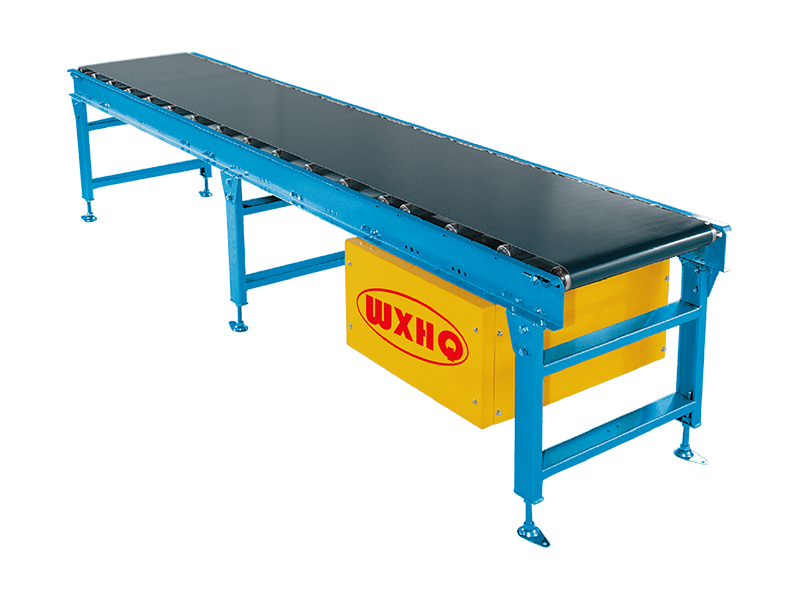
To maintain a belt conveyor effectively, it is crucial first to understand its primary components. While designs may vary depending on the application, most belt conveyors consist of:
- Belt: The moving surface that carries material. Made of rubber, PVC, PU, or fabric-reinforced composites.
- Pulleys: Drive and idler pulleys guide and propel the belt.
- Rollers: Support the belt and the load, ensuring smooth movement.
- Motor and Drive System: Powers the belt and controls speed.
- Frame and Structure: Provides stability and alignment.
- Tensioning System: Keeps the belt taut to prevent slippage.
- Safety Devices: Includes emergency stops, guards, and sensors.
A thorough understanding of these components helps in pinpointing maintenance needs and potential failure points.
2. Routine Visual Inspections
Routine inspections are the foundation of effective maintenance. They help identify small problems before they escalate. Key inspection points include:
- Belt Surface: Look for fraying edges, tears, cracks, or abnormal wear patterns.
- Alignment: Ensure the belt is centered on the rollers and pulleys. Misalignment can cause excessive wear.
- Rollers and Pulleys: Check for rust, damage, or uneven rotation. Worn rollers increase friction and reduce efficiency.
- Drive Motor and Gearbox: Inspect for oil leaks, unusual noises, and overheating.
- Fasteners and Supports: Tighten loose bolts or brackets to prevent structural instability.
Performing these inspections daily or weekly, depending on usage intensity, can significantly extend the conveyor’s life.
3. Belt Maintenance Practices
The belt itself is the most critical and vulnerable component of a conveyor. Proper care involves:
- Cleaning: Remove dust, dirt, and spillage to prevent abrasion and belt slippage.
- Tracking Adjustment: Ensure the belt runs straight. Misalignment can damage edges and reduce lifespan.
- Splice Inspection: Monitor joints or splices for wear or separation. Replace damaged splices promptly.
- Tensioning: Adjust belt tension regularly. Too loose causes slippage; too tight increases stress on bearings and rollers.
- Storage: When not in use, belts should be stored away from direct sunlight and extreme temperatures to prevent degradation.
4. Roller and Pulley Maintenance
Rollers and pulleys support the belt and its load, so keeping them in good condition is essential:
- Lubrication: Regularly lubricate roller bearings according to manufacturer recommendations.
- Replacement: Replace worn or damaged rollers promptly. A single damaged roller can lead to belt tracking issues.
- Pulley Lagging: Inspect rubber or ceramic lagging on pulleys. Replace if worn to prevent belt slippage.
- Alignment: Ensure pulleys are square with the frame. Misaligned pulleys can cause belt wear and noise.
5. Drive System Maintenance
The drive system powers the belt and ensures proper operation. Key maintenance tips include:
- Motor Checks: Monitor for vibration, heat, or unusual sounds. Regularly check electrical connections.
- Gearbox Care: Maintain proper lubrication levels. Check for leaks or unusual wear.
- Belt Drives: If the conveyor uses a belt drive, inspect the drive belt for tension, wear, and alignment.
Regular preventive maintenance reduces the risk of sudden failures and costly downtime.
6. Structural and Frame Maintenance
The frame and structural components ensure the conveyor operates safely and efficiently:
- Cleaning: Remove debris from the frame to prevent obstructions.
- Rust Prevention: Apply protective coatings or paint to prevent corrosion, especially in humid or outdoor environments.
- Fastener Tightness: Check all bolts and nuts for tightness periodically. Loose components can lead to misalignment and structural failure.
- Support Alignment: Ensure that the frame remains level. Uneven supports can cause belt sag or misalignment.
7. Safety Device Maintenance
Belt conveyors are equipped with safety devices that protect both operators and equipment:
- Emergency Stops: Test emergency stop buttons regularly to ensure functionality.
- Guards: Inspect protective guards for damage or wear and replace if necessary.
- Sensors: Check sensors for proper operation. Malfunctioning sensors can cause belt stoppages or unsafe conditions.
Safety inspections should be conducted with the same frequency as mechanical inspections.
8. Lubrication and Wear Monitoring
Proper lubrication reduces friction, wear, and energy consumption:
- Bearings and Rollers: Lubricate according to manufacturer guidelines. Avoid over-lubrication, which can attract dust and debris.
- Gearboxes: Monitor oil levels and change oil at recommended intervals.
- Wear Monitoring: Use monitoring tools, such as belt wear indicators, vibration analysis, or thermography, to detect early signs of component deterioration.
Proactive lubrication and wear monitoring prevent sudden breakdowns.
9. Record-Keeping and Preventive Maintenance Schedules
Consistent documentation of inspections, repairs, and replacements is vital for long-term usability:
- Maintenance Logs: Keep detailed records of inspections, repairs, and replacements.
- Preventive Maintenance Schedules: Establish a schedule for daily, weekly, and monthly checks. Preventive maintenance is far more cost-effective than reactive repairs.
- Component Lifespan Tracking: Track the life expectancy of belts, rollers, bearings, and motors. Replace components proactively rather than reactively.
A well-maintained log helps in identifying recurring issues and optimizing maintenance efforts.
10. Operator Training and Best Practices
Even the best-maintained conveyor can fail if operated incorrectly. Educating operators is crucial:
- Proper Loading: Avoid overloading the conveyor, which stresses the belt and drive system.
- Avoid Abrasive Materials: Use liners or protective belts when transporting abrasive materials.
- Emergency Procedures: Train operators to handle jams, belt slippage, and emergency stops safely.
- Reporting Issues: Encourage operators to report unusual noises, vibrations, or other abnormalities immediately.
Operator awareness significantly enhances conveyor longevity.
11. Upgrading and Retrofitting
Technology evolves, and older conveyors may benefit from upgrades:
- Modern Sensors: Install sensors for belt misalignment, load detection, and temperature monitoring.
- Energy-Efficient Drives: Upgrading motors or drives can reduce energy consumption and wear.
- Improved Belt Materials: Consider belts with higher abrasion resistance, chemical resistance, or heat tolerance for specific applications.
Retrofitting extends the life of a conveyor without the expense of a full replacement.
12. Common Maintenance Mistakes to Avoid
Awareness of common errors prevents costly consequences:
- Ignoring Small Issues: Minor misalignment or fraying can escalate if ignored.
- Over-Lubrication or Under-Lubrication: Both extremes can damage bearings and increase downtime.
- Skipping Inspections: Regular inspections are non-negotiable for long-term usability.
- Improper Belt Storage: Belts stored in poor conditions degrade faster, reducing lifespan.
- Neglecting Safety Devices: A non-functional emergency stop or sensor can cause accidents and equipment damage.
Avoiding these mistakes ensures the conveyor remains reliable and safe.
13. Environmental Considerations
Environmental factors significantly affect conveyor performance:
- Temperature Extremes: High or low temperatures can alter belt elasticity and motor efficiency. Use belts rated for specific temperatures.
- Dust and Debris: Protect components with covers, skirting, or cleaning systems.
- Moisture and Corrosion: For wet environments, choose corrosion-resistant materials and coatings.
Accounting for environmental factors during maintenance planning prevents unexpected failures.
Conclusion
Maintaining belt conveyors for long-term usability requires a holistic approach. Regular inspections, proper lubrication, timely replacement of worn components, operator training, and proactive preventive maintenance form the backbone of a reliable maintenance program. By understanding the intricacies of conveyor systems and adopting systematic maintenance practices, operators can maximize efficiency, reduce downtime, and ensure the safe operation of belt conveyors for years to come.
The key takeaway is simple: a well-maintained conveyor is not only cost-effective but also critical for operational safety and productivity. Preventive care, combined with awareness and consistent practices, guarantees the longevity and reliability of this indispensable industrial tool.