

 ENG
ENG 中文简体
中文简体 русский
 Français
 Español
 日本語
日本語 عربى
عربىContent
- 1 Understanding Motor Roller Conveyors in Integrated Systems
- 2 Why Combine Motor Roller Conveyors with Other Conveyor Types
- 3 Common Systems Combined with Motor Roller Conveyors
- 4 Key Design Considerations When Combining Conveyor Systems
- 5 Control Strategies for Combined Motor Roller Conveyor Systems
- 6 Energy Efficiency and Cost Benefits
- 7 Applications in Warehouse and Manufacturing Environments
- 8 Comparison of Conveyor Integration Options
- 9 Maintenance and Long-Term Reliability
- 10 Planning for Scalability and Future Expansion
Understanding Motor Roller Conveyors in Integrated Systems
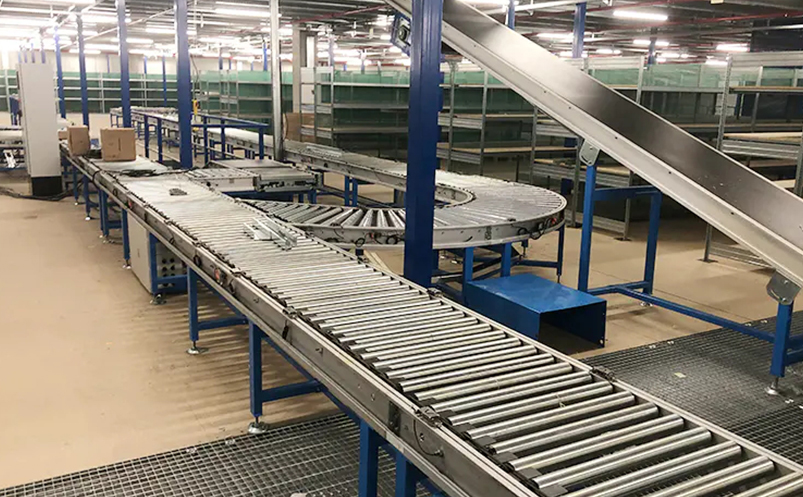
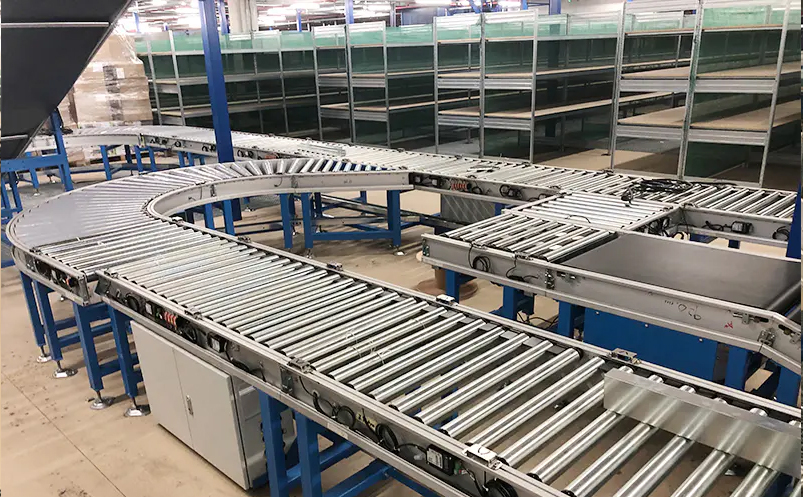
Motor roller conveyors are widely used in modern material handling because they combine compact design with intelligent control. When combined with other conveyor technologies, they become the backbone of flexible and scalable conveyor systems. A motor roller conveyor uses rollers with built-in motors, allowing each zone to operate independently. This structure supports accumulation, precise product spacing, and energy-efficient operation, making it ideal for automated warehouses, distribution centers, and manufacturing lines.
Integrating motor roller conveyors with belt conveyors, gravity conveyors, or chain-driven systems allows facilities to optimize throughput while maintaining control over product flow. Instead of replacing existing infrastructure, many operations choose to combine systems strategically to reduce costs and downtime.
Why Combine Motor Roller Conveyors with Other Conveyor Types
A single conveyor type rarely meets all operational requirements. Combining motor roller conveyors with complementary systems helps address different load types, speeds, and handling conditions. Motor roller conveyors excel in controlled movement and accumulation, while other systems may perform better for long-distance transport or heavy loads.
By integrating multiple conveyor types, businesses can design material handling systems that balance efficiency, flexibility, and cost. This approach is especially valuable in facilities experiencing growth or frequent changes in product mix.
- Improved flow control between workstations and automated equipment
- Reduced energy consumption through zone-based operation
- Greater system adaptability for future expansion
Common Systems Combined with Motor Roller Conveyors
Motor roller conveyors are frequently combined with several other conveyor systems to achieve specific operational goals. The choice depends on load characteristics, required speed, and environmental conditions.
Belt Conveyors
Belt conveyors are often used for long-distance transport or when handling irregularly shaped items. Combining belt conveyors with motor roller conveyors allows smooth transitions from high-speed transport to controlled accumulation zones. This combination is common in e-commerce fulfillment centers where parcels move quickly before being sorted or diverted.
Gravity Conveyors
Gravity conveyors provide a low-cost solution for simple product movement. When combined with motor roller conveyors, gravity sections can handle non-powered flow while motorized zones manage spacing and accumulation. This hybrid approach reduces power consumption while maintaining control where needed.
Chain-Driven Roller Conveyors
For heavy pallets or high-load applications, chain-driven roller conveyors are often integrated with motor roller conveyors. The motor roller sections handle lighter cartons or totes, while chain-driven zones manage palletized loads, creating a unified material handling system.
Key Design Considerations When Combining Conveyor Systems
Successful integration requires careful planning. Each conveyor type has unique speed, load, and control characteristics that must align to avoid bottlenecks or product damage.
- Speed synchronization between conveyor zones
- Consistent roller height and frame alignment
- Compatible control systems and communication protocols
- Ease of maintenance and access to critical components
Ignoring these factors can lead to inefficient operation or increased maintenance costs. A well-designed system ensures smooth transitions and reliable long-term performance.
Control Strategies for Combined Motor Roller Conveyor Systems
Control architecture plays a central role in combined conveyor systems. Motor roller conveyors typically use decentralized controls, where each zone operates independently based on sensors and logic modules. When combined with other conveyors, these controls must integrate seamlessly with centralized systems such as PLCs or warehouse control systems.
Zone control allows products to accumulate without contact, reducing damage and noise. When integrated properly, upstream and downstream conveyors respond dynamically to system conditions, improving throughput and reliability.
Energy Efficiency and Cost Benefits
One of the main advantages of combining motor roller conveyors with other systems is improved energy efficiency. Motor roller conveyors operate only when product is present, unlike traditional conveyors that run continuously. By placing motor roller sections in high-control areas and using conventional conveyors elsewhere, facilities can significantly reduce energy usage.
This approach also lowers operational costs by minimizing wear on mechanical components. Over time, the reduced maintenance requirements and energy savings contribute to a lower total cost of ownership.
Applications in Warehouse and Manufacturing Environments
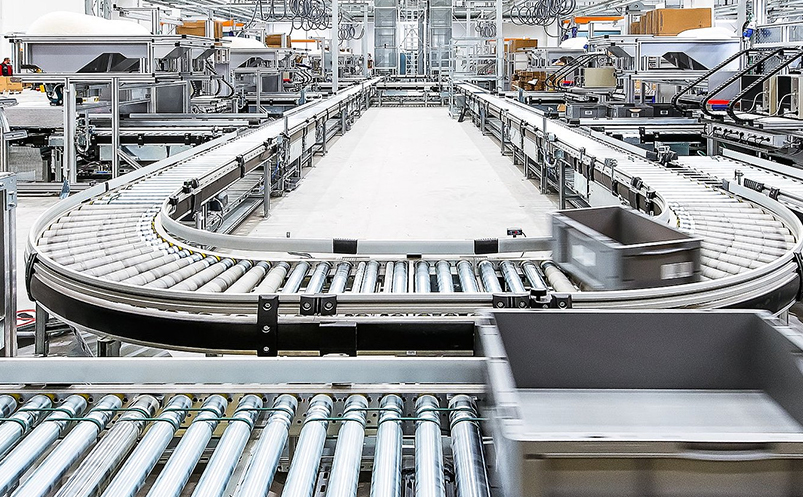
Combined motor roller conveyor systems are widely used in warehouse automation, order fulfillment, and manufacturing. In warehouses, they support sorting, merging, and accumulation before packing or shipping. In manufacturing, they enable controlled movement between assembly stations and inspection points.
These systems are particularly valuable in operations with mixed product sizes and frequent layout changes. Modular motor roller conveyors can be reconfigured or expanded without major disruption.
Comparison of Conveyor Integration Options
| Combination Type | Best Use Case | Key Advantage |
| Motor Roller + Belt | High-speed transport with controlled zones | Smooth flow and high throughput |
| Motor Roller + Gravity | Low-cost accumulation and transfer | Energy savings |
| Motor Roller + Chain-Driven | Mixed loads including pallets | High load capacity |
Maintenance and Long-Term Reliability
Combining conveyor systems does not have to increase maintenance complexity. Motor roller conveyors are known for their low-maintenance design, with fewer external drive components. When integrated correctly, maintenance tasks can be streamlined across the entire system.
Routine inspections, standardized spare parts, and clear access points help ensure long-term reliability. Facilities that invest in proper system design often experience fewer unplanned stoppages and longer equipment life.
Planning for Scalability and Future Expansion
Scalability is a key reason many companies choose to combine motor roller conveyors with other systems. Modular designs allow additional zones, curves, or merges to be added as throughput requirements increase. Control systems can also be expanded to accommodate new equipment or processes.
By planning for future expansion during the initial design phase, businesses can avoid costly redesigns and ensure their conveyor systems continue to support operational goals as demand grows.