

 ENG
ENG 中文简体
中文简体 русский
 Français
 Español
 日本語
日本語 عربى
عربىContent
- 1 1. Understanding Product Damage on Roller Conveyors
- 2 2. Selecting the Right Type of Roller Conveyor
- 3 3. Proper Product Placement and Spacing
- 4 4. Conveyor Speed Control
- 5 5. Use of Protective Components
- 6 6. Maintaining Roller Conveyors
- 7 7. Handling Fragile or Sensitive Products
- 8 8. Layout Design and Conveyor Integration
- 9 9. Training and Operational Best Practices
- 10 10. Monitoring and Automation
- 11 11. Case Studies and Practical Examples
- 12 12. Summary and Best Practices
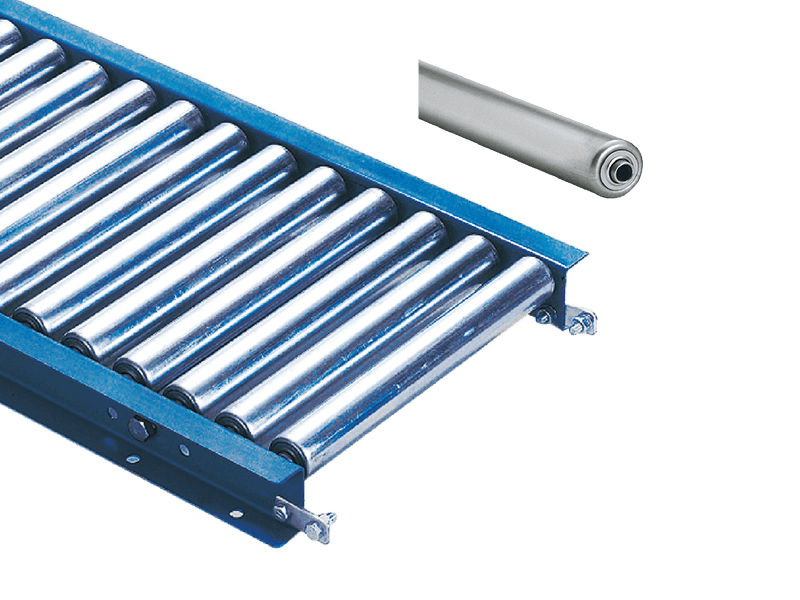
Roller Conveyors are an integral part of modern manufacturing, warehousing, and distribution systems. They provide an efficient method for transporting goods, ranging from small boxes to heavy machinery parts. Despite their simplicity, improper use or maintenance can lead to product damage, affecting efficiency, increasing costs, and compromising safety. Understanding the factors that lead to damage and implementing preventive measures is essential for any facility relying on Roller Conveyors.
1. Understanding Product Damage on Roller Conveyors
Before exploring solutions, it’s essential to understand how and why product damage occurs on Roller Conveyors. Common forms of damage include:
- Scratches and abrasions: Items rubbing against rollers or other products during transit.
- Crushing or deformation: Occurs when heavy items are placed on weak or uneven sections of the conveyor.
- Falling or tipping: Products may tip over if the conveyor is too fast, unbalanced, or lacks proper guides.
- Impact damage: Happens when items collide at transfer points, bends, or junctions.
The root causes often relate to improper design, unsuitable conveyor components, high speeds, or lack of regular maintenance. Addressing these areas is the key to preventing damage.
2. Selecting the Right Type of Roller Conveyor
Choosing the appropriate type of Roller Conveyor is the first step in minimizing product damage. Conveyor systems can be broadly divided into gravity conveyors and powered conveyors.
- Gravity Roller Conveyors: These rely on the weight of the product and a slight decline to move items. They are cost-effective and simple but can cause damage if products move too quickly, collide, or are unstable.
- Powered Roller Conveyors: These use motors to control movement, allowing precise speed and better handling of heavier loads. They are generally safer for delicate or valuable products but require proper speed adjustment.
Tips for selection:
- Evaluate the weight, size, and fragility of the products.
- Consider the conveyor length and layout; longer conveyors increase the risk of collisions.
- Choose roller diameters and spacing that support smooth transport without tipping.
- Consider specialized rollers, such as urethane-coated or rubber rollers, for sensitive items.
3. Proper Product Placement and Spacing
How products are loaded onto the conveyor significantly affects their safety during transport.
- Even Distribution: Heavy items should not be placed in clusters; uneven weight distribution can damage rollers or products.
- Sufficient Spacing: Maintaining a gap between items prevents collisions, tipping, and scuffing. The ideal spacing depends on product size, weight, and conveyor speed.
- Orientation: Place products so that the base is stable and the center of gravity is low. Tall or unevenly shaped items may require additional support or side guides.
Tip: Using accumulation zones or buffer areas can help control spacing, especially in high-speed operations.
4. Conveyor Speed Control
Speed plays a crucial role in product safety. Excessive speed can lead to items colliding, tipping, or falling off the conveyor. Conversely, moving too slowly may cause congestion and unintended impacts.
- Gravity Conveyors: The slope should be minimal to allow controlled movement. Adjustable stops or friction brakes can regulate speed.
- Powered Conveyors: Use variable frequency drives (VFDs) or speed controllers to match the conveyor speed to product type and load conditions.
Tip: Implementing gentle start and stop mechanisms can reduce sudden jolts that cause product damage.
5. Use of Protective Components
Adding protective components to Roller Conveyors can significantly reduce product damage:
- Side Rails and Guides: Keep products aligned, preventing tipping or falling. Adjustable guides can accommodate different product sizes.
- Roller Covers: Rubber or polyurethane covers reduce friction and absorb impact, protecting delicate surfaces.
- End Stops and Bumpers: Prevent products from sliding off the ends of the conveyor.
- Transfer Guards: Smooth transfer plates and guards at junctions or bends reduce the risk of collision damage.
6. Maintaining Roller Conveyors
Regular maintenance is critical for preventing product damage. Even a well-designed conveyor can cause damage if worn or misaligned.
- Inspect Rollers: Check for wear, misalignment, or broken rollers that could scratch or jam products.
- Lubricate Moving Parts: Proper lubrication reduces friction and ensures smooth operation.
- Check Belt or Chain Tension (if applicable): Loose belts or chains can cause uneven roller movement, leading to product tipping.
- Clean Conveyor Surfaces: Debris or residue can damage products or create uneven rolling.
Tip: Establish a routine inspection schedule to catch potential issues before they cause product damage.
7. Handling Fragile or Sensitive Products
Some products, such as electronics, glass, or finely finished components, require extra precautions.
- Soft Rollers: Consider rubber or coated rollers to absorb shock.
- Lower Speeds: Reduce the movement speed to minimize impact forces.
- Protective Packaging: For extremely fragile items, using padding or trays can provide additional protection during transport.
- Vibration Dampening: For conveyors in high-speed or high-load environments, vibration dampeners or isolators can reduce damage risk.
8. Layout Design and Conveyor Integration
The design of the conveyor layout affects how safely products move through the system.
- Minimize Sharp Turns: Reducing sharp bends prevents tipping or scraping.
- Gradual Inclines: Avoid steep slopes; use gentle inclines with controlled acceleration.
- Smooth Transfers: Ensure transfer points between conveyors are aligned and equipped with guides or rollers to prevent collisions.
- Avoid Overcrowding: Design the system with enough space for accumulation and sorting.
Tip: Using modular conveyor systems allows flexibility for safe product handling and easy reconfiguration.
9. Training and Operational Best Practices
Even the best-designed Roller Conveyors require proper handling by staff:
- Train personnel to load products correctly and evenly.
- Educate operators on speed control and safe conveyor use.
- Encourage reporting of misaligned rollers, worn components, or recurring product damage.
- Develop standard operating procedures (SOPs) for product handling on conveyors.
10. Monitoring and Automation
Modern facilities often incorporate monitoring systems to prevent damage proactively.
- Sensors: Detect product presence and spacing, slowing conveyors to avoid collisions.
- Automated Stops: Stop conveyors automatically when jams or blockages occur.
- Condition Monitoring: Track roller wear, alignment, and motor performance to prevent damage indirectly caused by mechanical failure.
Automation not only prevents product damage but also reduces downtime and maintenance costs.
11. Case Studies and Practical Examples
Consider these practical examples of preventing product damage:
- Electronics Assembly Facility: Used rubber-coated rollers, adjustable side guides, and variable speed drives to safely transport circuit boards without scratches.
- Warehouse Distribution: Implemented buffer zones and accumulation conveyors to prevent cardboard boxes from tipping during high-speed sorting.
- Glass Manufacturing: Installed soft rollers and vibration dampeners, along with careful loading protocols, to transport delicate glass panels safely.
These examples demonstrate that a combination of proper design, protective components, and operational practices is often the most effective approach.
12. Summary and Best Practices
Preventing product damage on Roller Conveyors is a combination of careful design, proper use, regular maintenance, and staff training. Key takeaways include:
- Select the appropriate conveyor type based on product weight, size, and fragility.
- Ensure proper loading, spacing, and orientation of products.
- Control conveyor speed to prevent collisions or tipping.
- Add protective components such as guides, bumpers, and soft rollers.
- Perform regular maintenance to keep rollers and moving parts in optimal condition.
- Design layouts with gentle inclines, smooth transfers, and minimal sharp turns.
- Train staff in safe handling practices.
- Leverage automation and monitoring to proactively prevent damage.
By following these practices, businesses can minimize product damage, reduce waste, improve operational efficiency, and ensure safety throughout the facility.