

 ENG
ENG 中文简体
中文简体 русский
 Français
 Español
 日本語
日本語 عربى
عربىContent
An accumulation conveyor is a material handling system designed to temporarily hold products on the conveyor line without stopping the entire operation. Unlike standard conveyors that move items continuously, accumulation conveyors create buffer zones where products can pause or queue while maintaining controlled pressure and spacing between items. This capability is essential for managing varying production speeds, preventing bottlenecks, and protecting products from damage during temporary stoppages.
These conveyors use specialized mechanisms—such as zero-pressure accumulation, minimum-pressure accumulation, or singulation—to control product flow. In a typical manufacturing or distribution facility, accumulation conveyors serve as intelligent buffers between processes operating at different speeds, allowing upstream operations to continue even when downstream equipment requires maintenance or experiences delays.
How Accumulation Conveyors Work
Accumulation conveyors operate through segmented control systems that divide the conveyor belt into multiple zones. Each zone functions independently, allowing products to accumulate in specific areas while other sections continue moving. When a product enters a zone, sensors detect its presence and communicate with the control system to manage that zone's movement.
The most common technologies include:
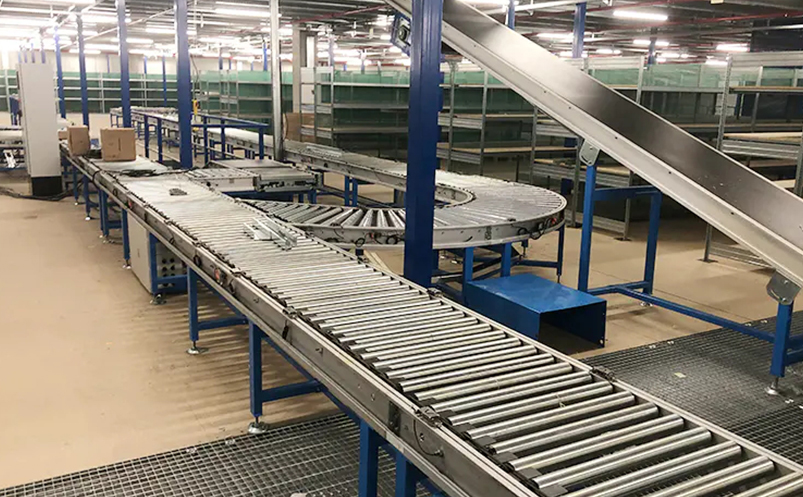
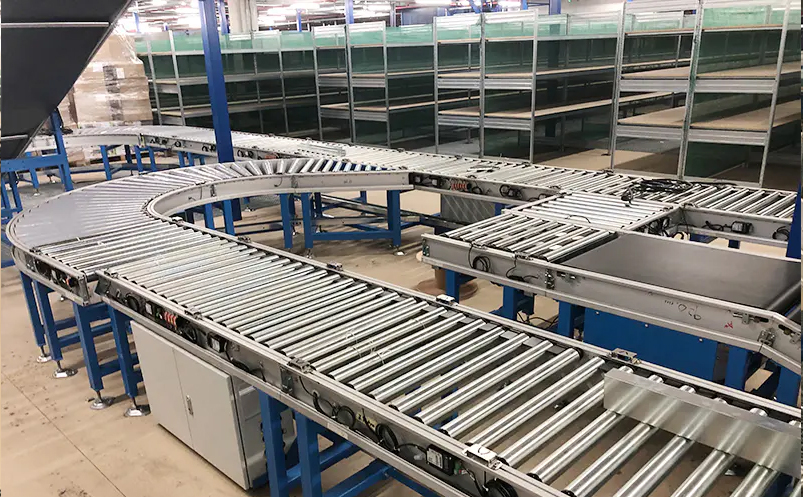
- Roller conveyors with zone control – Individual motorized rollers or roller sections that can start and stop independently based on product position
- Belt-driven systems with clutches – Powered belts with electromagnetic clutches that engage or disengage to control movement in specific zones
- Chain-driven accumulation – Heavy-duty applications using chain drives with pressure-sensing mechanisms
When downstream equipment slows or stops, products begin accumulating in the designated zones. The control system prevents excessive pressure buildup by stopping upstream zones sequentially, creating a controlled queue. Once the downstream process resumes, zones release products systematically to maintain smooth flow and proper spacing.
Types of Accumulation Conveyors
Zero-Pressure Accumulation
Zero-pressure accumulation prevents products from touching each other during accumulation. Each zone stops before the product contacts the item ahead, eliminating pressure-related damage. This system is ideal for fragile items, packaged goods, or products with delicate finishes. Sensors detect product position precisely, ensuring gaps remain between items even when the line backs up significantly.
Minimum-Pressure Accumulation
This design allows gentle contact between products during accumulation. Products touch lightly without applying significant force, making it suitable for sturdy packaged goods like cardboard boxes or plastic containers. Minimum-pressure systems typically cost less than zero-pressure configurations and work well when minor product contact is acceptable. Studies show these systems can reduce equipment costs by 20-30% compared to zero-pressure alternatives while maintaining adequate product protection.
Accumulating Roller Conveyor
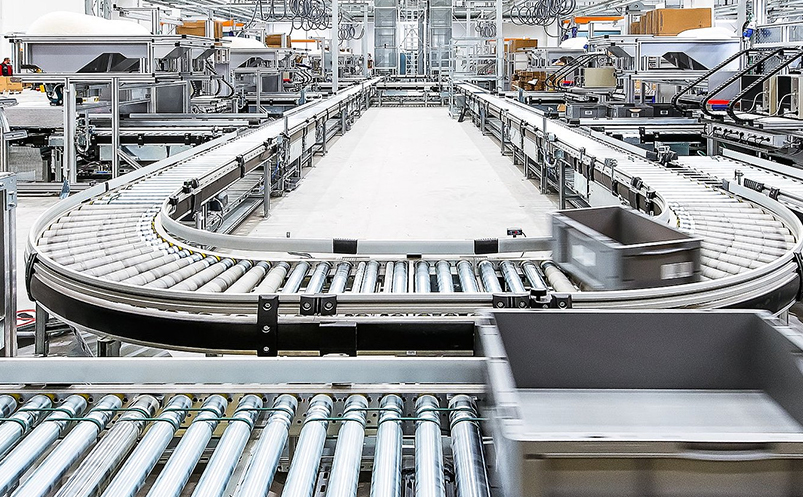
These conveyors use motorized rollers arranged in zones, with each zone containing multiple rollers controlled together. When a zone detects a product, it can independently start or stop. Accumulating roller conveyors excel in handling boxes, totes, and containers ranging from 10 to 500 pounds, making them popular in distribution centers and packaging lines.
Belt Accumulation Conveyor
Belt-based accumulation systems use friction belts divided into controlled sections. These conveyors handle smaller, lighter products and irregular shapes that might fall through roller gaps. They're commonly found in food processing, pharmaceutical manufacturing, and electronics assembly where product variety is high and weights are generally under 50 pounds.
Key Benefits and Applications
Accumulation conveyors deliver measurable operational improvements across various industries:
| Benefit | Impact | Typical Application |
|---|---|---|
| Reduced Downtime | 15-25% increase in throughput | Packaging lines with variable speeds |
| Product Protection | Up to 90% reduction in damage | Glass, electronics, painted surfaces |
| Process Buffering | Continuous upstream operation | Between manufacturing and palletizing |
| Labor Efficiency | 30-40% fewer manual interventions | Order fulfillment centers |
In distribution centers, accumulation conveyors create dynamic storage between receiving and sorting operations. For example, a major e-commerce facility reported that implementing 200 feet of accumulation conveyor reduced package handling time by 18% by eliminating manual queuing during peak sorting periods.
Manufacturing operations use these systems to balance production line speeds. A beverage bottling plant might fill bottles at 400 units per minute while packaging equipment operates at 350 units per minute. The accumulation conveyor absorbs this difference, preventing the filling line from stopping and maintaining overall efficiency.
Design Considerations and Selection Criteria
Selecting the appropriate accumulation conveyor requires evaluating several critical factors:
Product Characteristics
- Weight range and dimensions – Determines conveyor capacity and zone length requirements
- Surface sensitivity – Dictates whether zero-pressure or minimum-pressure is necessary
- Shape stability – Irregular or flexible products may require belt systems over rollers
- Bottom surface condition – Smooth bottoms work on rollers; uneven surfaces need belts
Operational Requirements
Zone length typically ranges from 6 inches to 48 inches depending on product size and accumulation needs. Shorter zones provide more precise control but increase system complexity and cost. A facility handling uniform boxes might use 24-inch zones, while one processing mixed products could require 12-inch zones for flexibility.
Speed considerations include both maximum conveyor speed and acceleration rates. Typical accumulation conveyors operate between 30 and 120 feet per minute, with gentle acceleration to prevent product tipping or sliding.
Integration and Control
Modern accumulation conveyors integrate with warehouse management systems, programmable logic controllers, and enterprise resource planning software. This connectivity enables real-time monitoring of accumulation levels, predictive maintenance alerts, and dynamic speed adjustments based on downstream demand.
Maintenance and Operational Best Practices
Proper maintenance extends accumulation conveyor lifespan and ensures consistent performance. Key maintenance activities include:
- Sensor calibration – Photoelectric sensors require cleaning and alignment every 30-90 days to maintain accurate product detection
- Roller inspection – Check for bearing wear, unusual noise, or resistance indicating potential failure
- Belt tension adjustment – Maintain proper tension to prevent slipping while avoiding excessive wear
- Zone controller testing – Verify all zones respond correctly to sensor inputs and system commands
Facilities that implement preventive maintenance schedules report 40-60% fewer unexpected failures compared to reactive maintenance approaches. One automotive parts distributor documented a reduction in conveyor-related downtime from 12 hours monthly to fewer than 3 hours after establishing a structured maintenance program.
Operational best practices include setting appropriate accumulation limits to prevent excessive backup, training staff on manual override procedures for emergencies, and monitoring system performance metrics to identify gradual degradation before complete failure occurs.
Cost Analysis and Return on Investment
Accumulation conveyor systems represent significant capital investments, with costs varying based on length, capacity, and control sophistication. A basic 50-foot minimum-pressure roller accumulation system costs approximately $15,000-$25,000, while a comparable zero-pressure configuration ranges from $25,000-$40,000. Belt accumulation systems for lighter products typically fall between $12,000-$20,000 for similar lengths.
Return on investment calculations should consider:
- Increased throughput from continuous upstream operation
- Reduced product damage and associated replacement costs
- Labor savings from automated flow control
- Energy efficiency compared to alternative buffering methods
A pharmaceutical packaging facility documented payback within 14 months after installing accumulation conveyors between filling and labeling operations. The system eliminated manual product queuing that previously required two full-time employees and reduced product damage by 85%, saving approximately $180,000 annually in combined labor and waste reduction.
Industry-Specific Applications
Food and Beverage Processing
Accumulation conveyors in food facilities must meet sanitary design standards with washdown-capable components. Stainless steel construction and sealed bearings prevent contamination while allowing thorough cleaning. These systems buffer between cooking and packaging operations, accommodating batch processing variations while maintaining continuous output to downstream equipment.
E-commerce and Distribution
Fulfillment centers use extensive accumulation conveyor networks to manage variable order processing rates. During peak periods, orders accumulate before packing stations, ensuring workers always have products available without overwhelming workstations during surges. Major online retailers report that accumulation conveyors improve packing efficiency by 25-35% by maintaining steady product flow to workers.
Automotive Manufacturing
Assembly plants employ heavy-duty accumulation systems to buffer between production stages. Chain-driven accumulation conveyors handle components weighing several hundred pounds, creating queues that allow individual workstations to operate independently without stopping the entire assembly line during adjustments or quality checks.