

 ENG
ENG 中文简体
中文简体 русский
 Français
 Español
 日本語
日本語 عربى
عربىContent
- 1 Understanding Combined Wheel Conveyor Systems
- 2 Key Advantages of Using Wheel Conveyors in Combination
- 3 Common Applications in Warehousing and Distribution
- 4 Manufacturing and Assembly Line Integration
- 5 Design Considerations for Combined Wheel Conveyor Systems
- 6 Comparison of Wheel Conveyors and Roller Conveyors
- 7 Maintenance and Operational Best Practices
- 8 Future Trends in Combined Conveyor Solutions
Combined with wheel conveyors, modern material handling systems can achieve higher flexibility, lower operating costs, and smoother product flow. Wheel conveyors are commonly used in distribution centers, manufacturing plants, and packaging lines where items need to be moved efficiently without complex automation. When integrated with other conveyor types or handling equipment, wheel conveyors become an essential component for scalable and adaptable logistics operations.
Understanding Combined Wheel Conveyor Systems
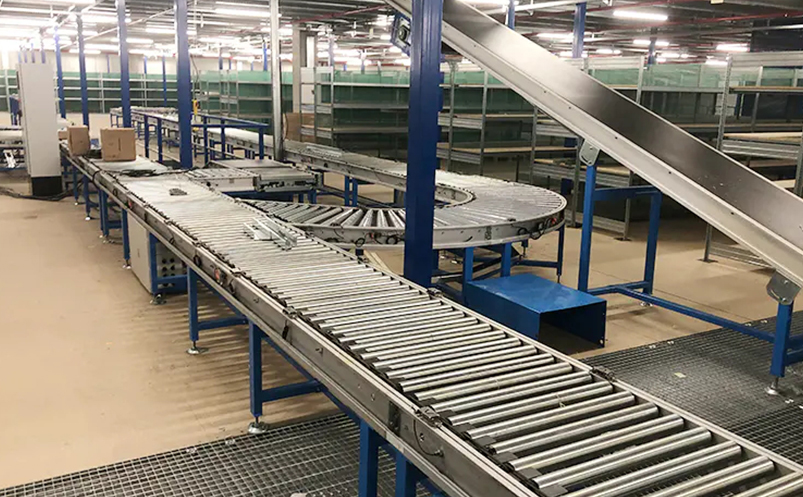
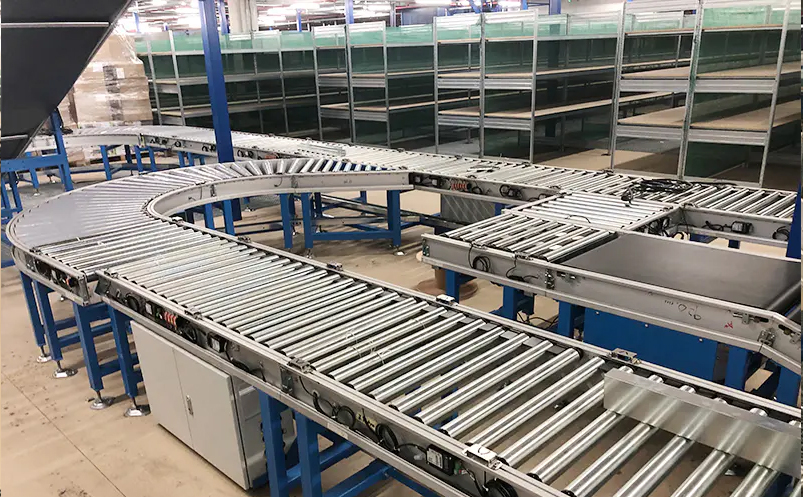
A combined wheel conveyor system refers to a layout where wheel conveyors are integrated with other conveying technologies such as roller conveyors, belt conveyors, or automated transfer modules. This combination allows facilities to handle a wider range of product sizes, weights, and flow directions. Wheel conveyors are especially effective for lightweight cartons, totes, and flat-bottom items, making them ideal for high-volume order fulfillment environments.
Unlike standalone conveyor lines, combined systems are designed to solve specific operational challenges. For example, wheel conveyors can be used in accumulation zones or picking areas, while powered conveyors handle long-distance transport. This targeted use improves efficiency and reduces unnecessary energy consumption.
Key Advantages of Using Wheel Conveyors in Combination
When wheel conveyors are combined with other material handling solutions, they offer several operational benefits that directly impact productivity and cost control. Their simple design and modular nature make them easy to integrate into existing systems without extensive downtime.
- Reduced energy usage by utilizing gravity wheel conveyors in low-speed or manual zones
- Improved system flexibility for layout changes and future expansion
- Lower maintenance requirements compared to fully powered conveyor systems
- Faster installation due to lightweight and modular components
These advantages make combined wheel conveyor systems particularly attractive for warehouses that experience fluctuating order volumes or seasonal demand peaks.
Common Applications in Warehousing and Distribution
Wheel conveyor systems are widely used in warehousing and distribution centers where speed and adaptability are critical. When combined with powered conveyors or sortation equipment, they support efficient order picking, packing, and shipping operations.
Order Picking and Packing Areas
In picking zones, wheel conveyors allow operators to manually divert cartons with minimal effort. Combined with roller conveyors, they create smooth transitions between manual and automated processes. This setup reduces walking distance and improves pick rates without requiring full automation.
Shipping and Loading Zones
At shipping docks, gravity wheel conveyors are often combined with telescopic belt conveyors. This combination enables efficient loading and unloading of trucks while maintaining control over carton flow. The wheels provide flexibility for different trailer positions and product sizes.
Manufacturing and Assembly Line Integration
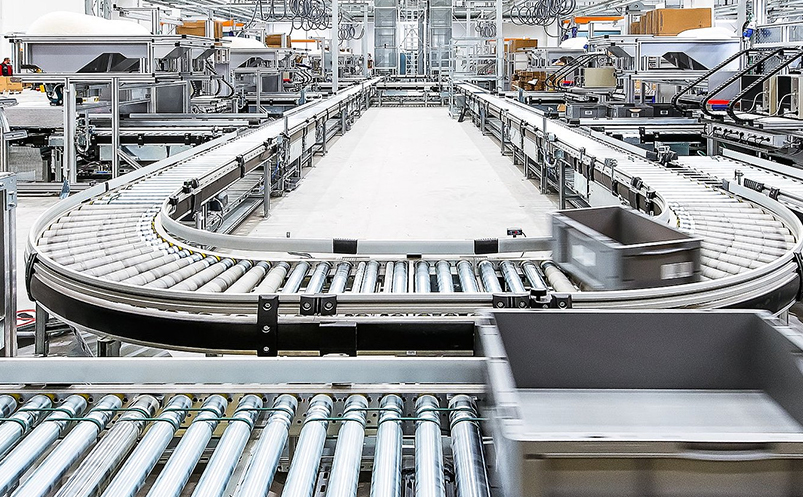
In manufacturing environments, combined wheel conveyor systems are used to connect workstations, inspection points, and packaging areas. Wheel conveyors are particularly useful for short-distance transfers and directional changes between processes.
By integrating wheel conveyors with powered belt or chain conveyors, manufacturers can control product flow while maintaining ergonomic working conditions. This approach supports lean manufacturing principles by minimizing unnecessary handling and reducing work-in-progress inventory.
Design Considerations for Combined Wheel Conveyor Systems
Proper system design is essential to maximize the benefits of combined wheel conveyors. Several factors should be evaluated during the planning phase to ensure smooth operation and long-term reliability.
- Product dimensions, weight, and bottom surface consistency
- Required throughput and accumulation capacity
- Integration points with powered conveyors or automation systems
- Floor space constraints and future expansion plans
Addressing these factors early helps avoid operational bottlenecks and ensures that wheel conveyors complement rather than limit system performance.
Comparison of Wheel Conveyors and Roller Conveyors
| Feature | Wheel Conveyors | Roller Conveyors |
| Best for | Lightweight cartons and totes | Heavier or uneven loads |
| Flexibility | High for directional changes | Moderate |
| Cost | Lower initial investment | Higher than wheel conveyors |
Maintenance and Operational Best Practices
Maintaining combined wheel conveyor systems is relatively straightforward, but consistent practices are essential to ensure reliability. Regular inspection of wheels, axles, and frames helps prevent unexpected downtime.
Operators should also be trained to recognize load limitations and proper product placement. Overloading or handling unsuitable items can reduce conveyor lifespan and negatively impact overall system efficiency.
Future Trends in Combined Conveyor Solutions
As warehouse automation continues to evolve, combined wheel conveyor systems are being enhanced with smart sensors and modular automation add-ons. These innovations allow facilities to start with manual or gravity-based solutions and gradually introduce automation as demand grows.
By combining wheel conveyors with modern control systems and data analytics, businesses can optimize material flow while maintaining the flexibility needed in fast-changing logistics environments.